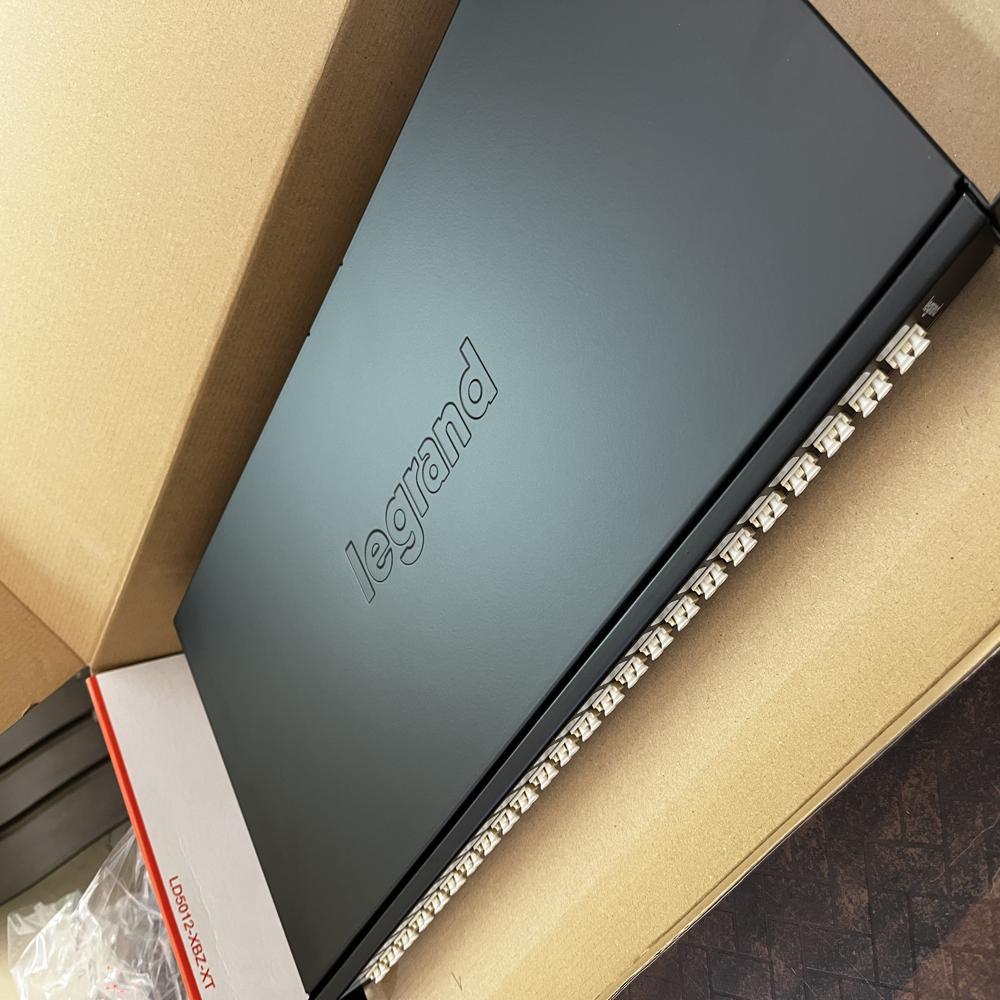
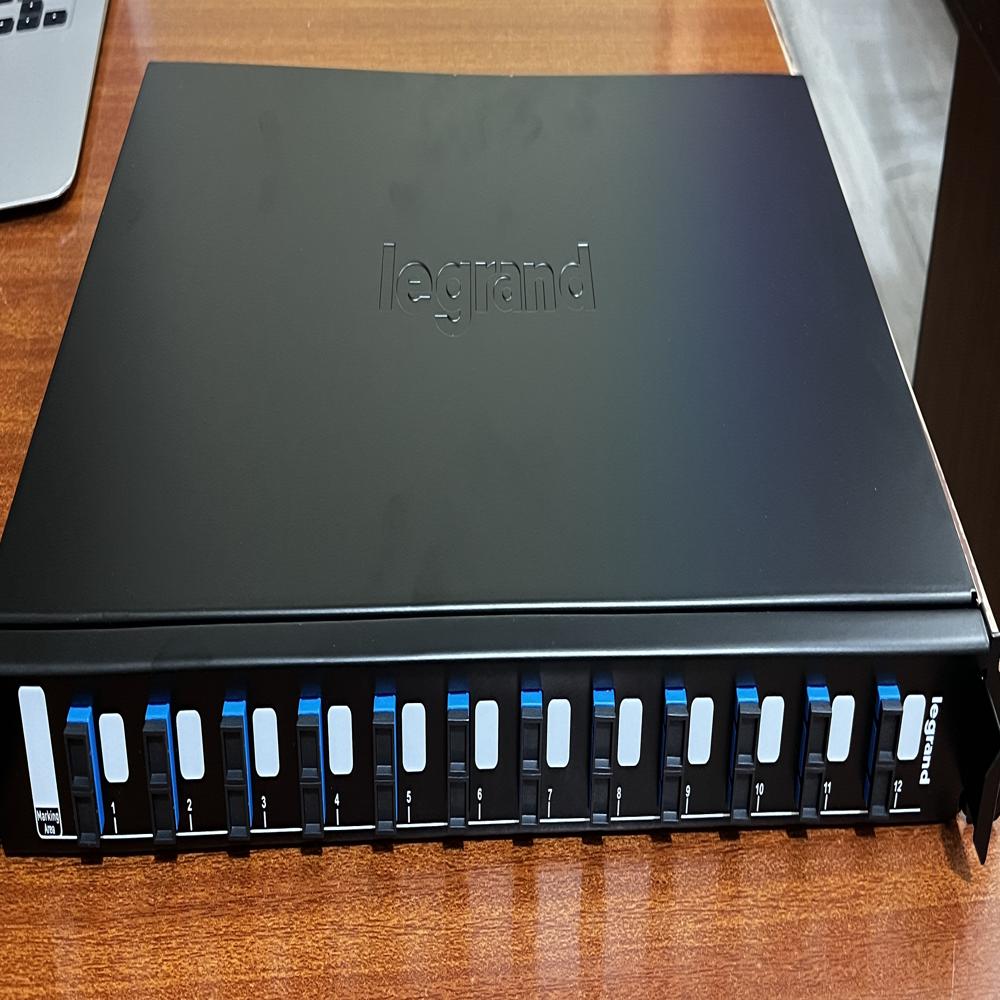
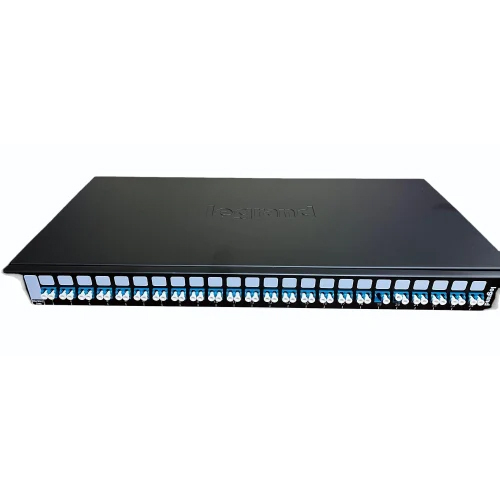
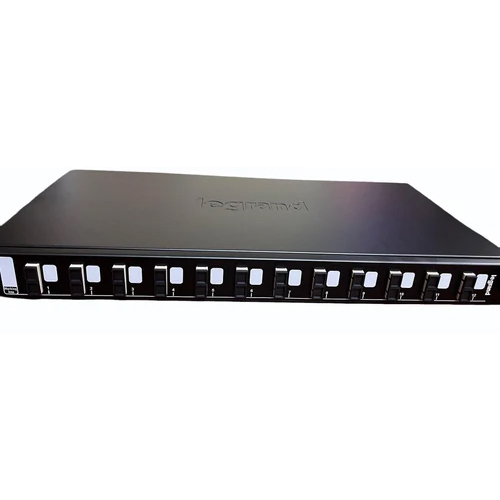
About Legrand Cat 6 24port RJ45 Loaded Patch Panel
Introducing the 24 Port RJ45 CAT6 24 CONNECT Legrand Patch Panel, a high-quality patch panel designed for Analog Lines connectivity. This patch panel features 24 ports, perfect for efficiently organizing and connecting multiple lines. Crafted from durable metal, this patch panel ensures long-lasting performance and reliability. Available in various sizes to suit different networking needs, this patch panel is powered electrically for seamless operation. Streamline your network connections with this innovative patch panel from a trusted supplier/trader.
FAQs of 24 Port RJ45 CAT6 24 CONNECT Legrand Patch Panel:
Q: What type of connectivity does this patch panel offer?
A:This patch panel offers connectivity for Analog Lines.
Q: How many ports does this patch panel have?
A:The patch panel comes with 24 ports.
Q: What is the material used for this patch panel?
A:This patch panel is made of metal for durability.
Q: How is this patch panel powered?
A:This patch panel is powered electrically.
Q: Are different sizes available for this patch panel?
A:Yes, this patch panel is available in various sizes to suit different networking requirements.
Streamlined Network ManagementThis patch panels high-density, compact construction facilitates efficient cable organization in busy data centers and network closets. The individual port numbering and white labeling areas simplify identification and future maintenance, making it an ideal choice for structured cabling projects.
Reliable Performance and DurabilityUtilizing phosphor bronze contacts with 50 micro-inch gold plating, the panel ensures superior conductivity and corrosion resistance. With insertion-extraction durability rated at a minimum of 750 cycles and an insulation resistance over 500 megaohms, it delivers long-lasting, stable performance.
Effortless Installation and VersatilityCompatible with 2226 AWG solid or stranded cables and utilizing 110 IDC termination, the patch panel supports a seamless installation process. Its standard 19-inch form factor suits most rack environments, and the included back bar enhances cable management and strain relief.
FAQs of Legrand Cat 6 24port RJ45 Loaded Patch Panel:
Q: How do I install the Legrand Cat 6 24-Port RJ45 Loaded Patch Panel in my rack setup?
A: Begin by securing the patch panel onto a standard 19-inch rack using appropriate mounting hardware. Connect your 2226 AWG solid or stranded cables via the 110 IDC termination blocks behind each numbered port. Use the rear cable support bar for organized cable placement and enhanced strain relief, then label each port using the white write-on area.
Q: What are the main benefits of using this patch panel in structured cabling?
A: The patch panel offers high-density port support, easy labeling and identification, robust durability, and compliance with industry standards. Its modular, slimline design streamlines installation and future maintenance, making network expansion or reconfiguration simple and efficient.
Q: When should I choose an unshielded (UTP) patch panel like this model?
A: Select an unshielded patch panel for typical office or commercial environments where electromagnetic interference is minimal. UTP panels offer cost-effectiveness and adequate performance for standard data networking up to 1Gbps.
Q: Where is this patch panel most effectively used?
A: It is best utilized in data centers, server rooms, telecommunications closets, and structured cabling environments where organized, reliable Ethernet distribution is required. Its compact design fits well in both large-scale and limited-space installations.
Q: What process should I follow for labeling and managing the network ports?
A: After terminating cables, use the clear port numbering and the white write-on strip to assign each network connection appropriately. This systematic approach helps with quick identification and troubleshooting of network endpoints.
Q: How does the integrated cable management bar benefit the installation?
A: The rear cable support bar helps to relieve strain on the network cables, maintains optimal bend radius, and organizes cable bundles, reducing the risk of damage or disconnections.





 Send Inquiry
 Send Inquiry
 Send SMS
 Call Me Free